Revitalising the Peripheries
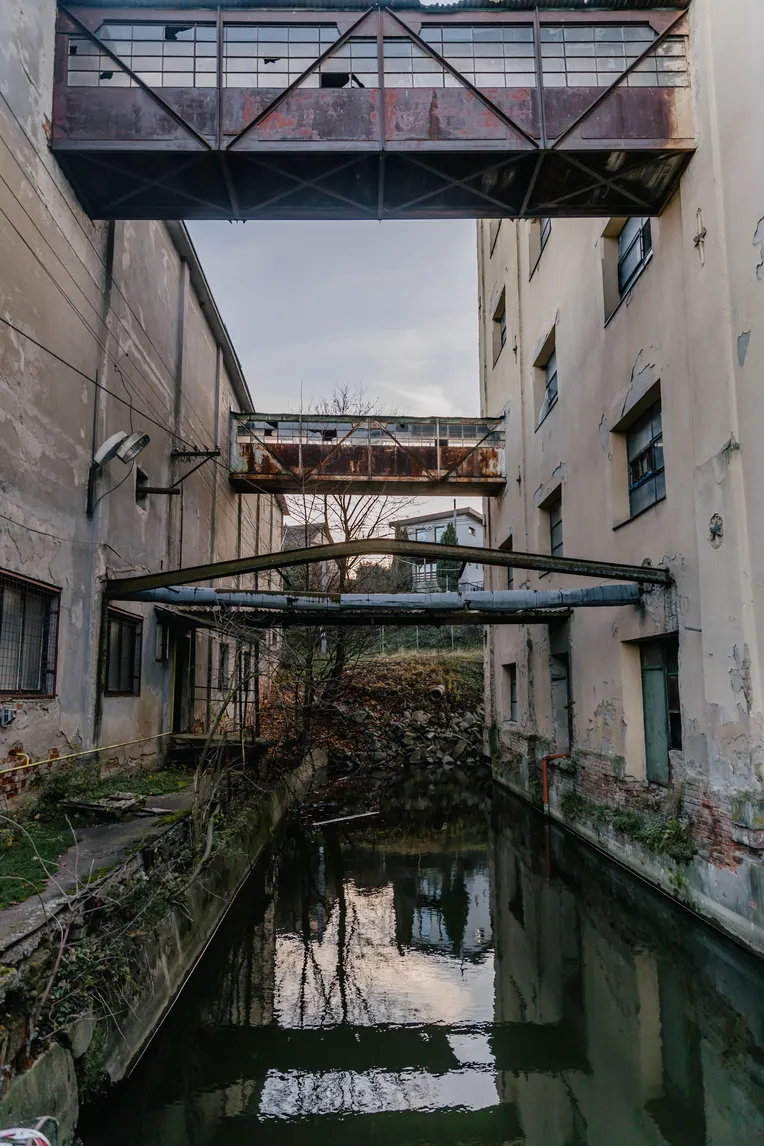
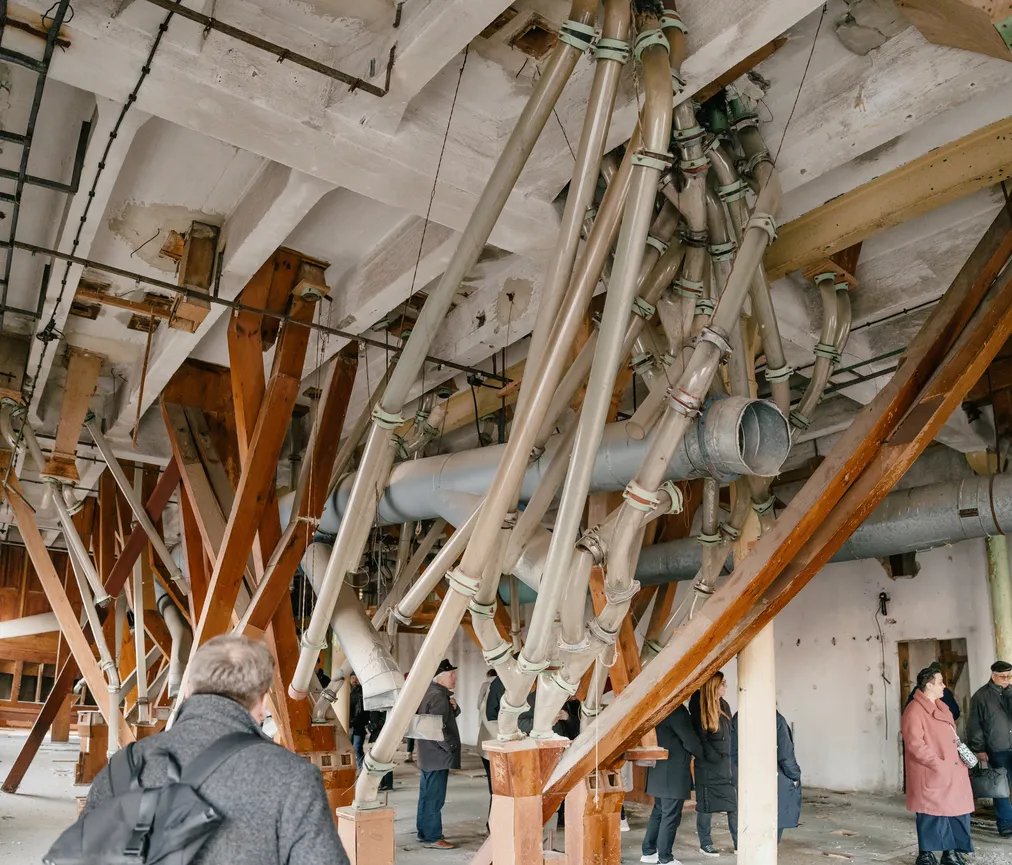
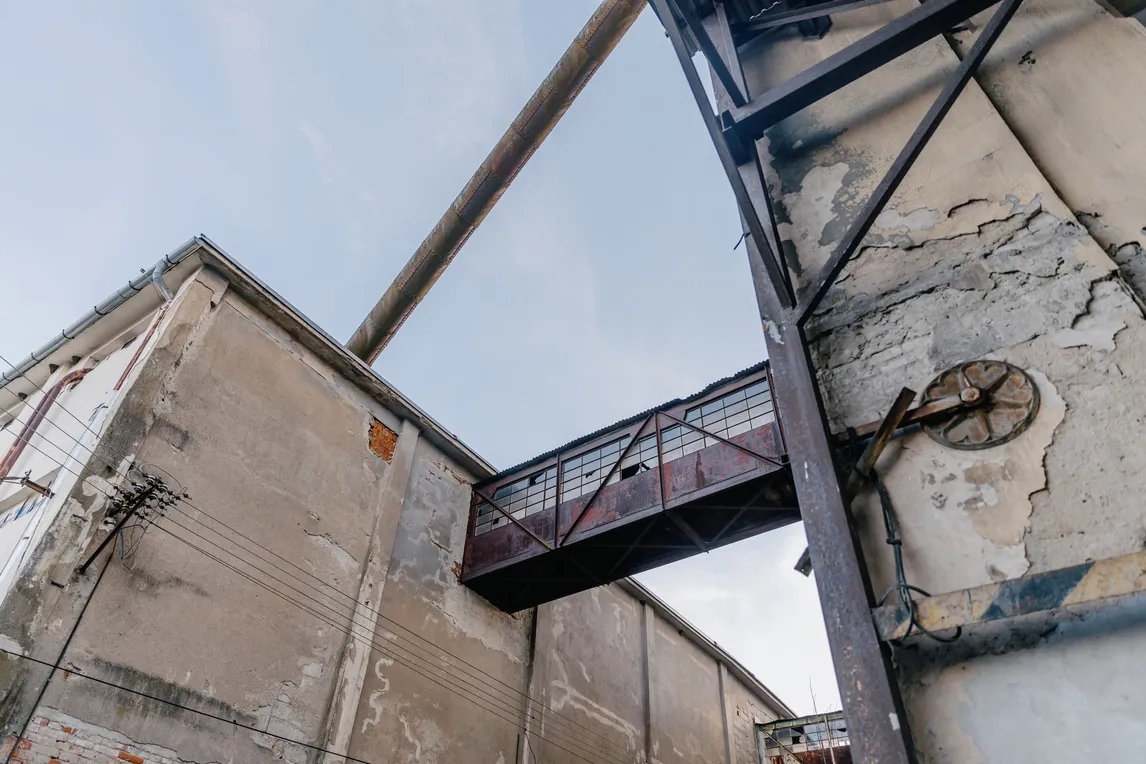
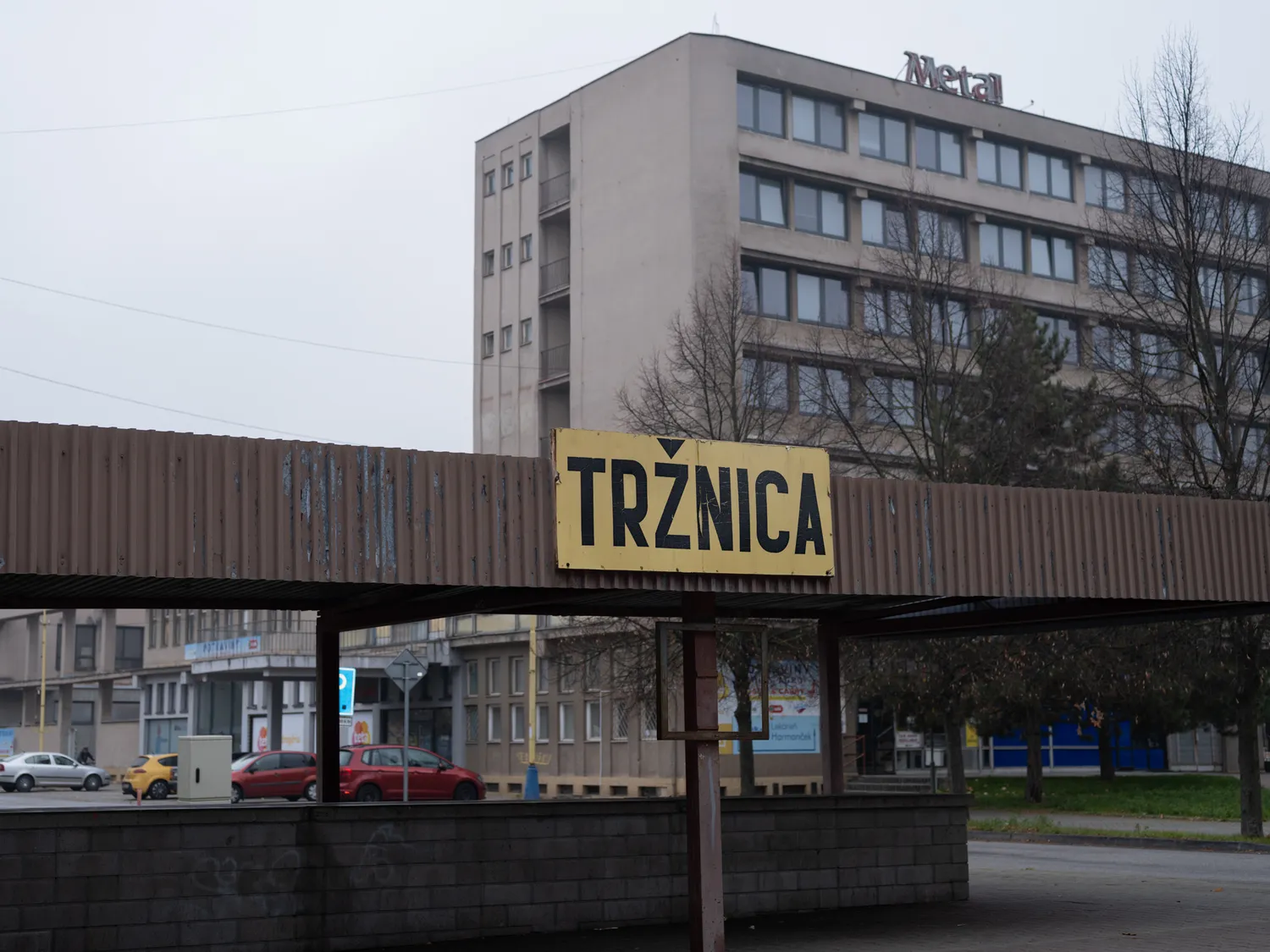
In this project, Spolka focused on abandoned industrial areas (brownfields) which, in many cities across Central and Eastern Europe, are sources of environmental, social, and economic challenges, while at the same time representing significant untapped potential.
The project built on the Postindustrial Urban Periphery initiative and sought to shift the perception of post-industrial peripheries – from problematic areas to places with strong potential for future transformation. In partnership with organizations from the V4 countries, we worked on developing fairer and more sustainable approaches to their regeneration, grounded in local experience, collaboration, and knowledge sharing.
The main objective of the project was to co-create a transnational framework for the assessment and transformation of brownfields in Central and Eastern Europe, based on the principles of social justice and environmental responsibility. The project developed a regional knowledge base aimed at supporting municipalities, urban planners, experts, civil society organizations, and investors in adopting a more strategic, coordinated, and long-term approach to the regeneration of post-industrial areas.
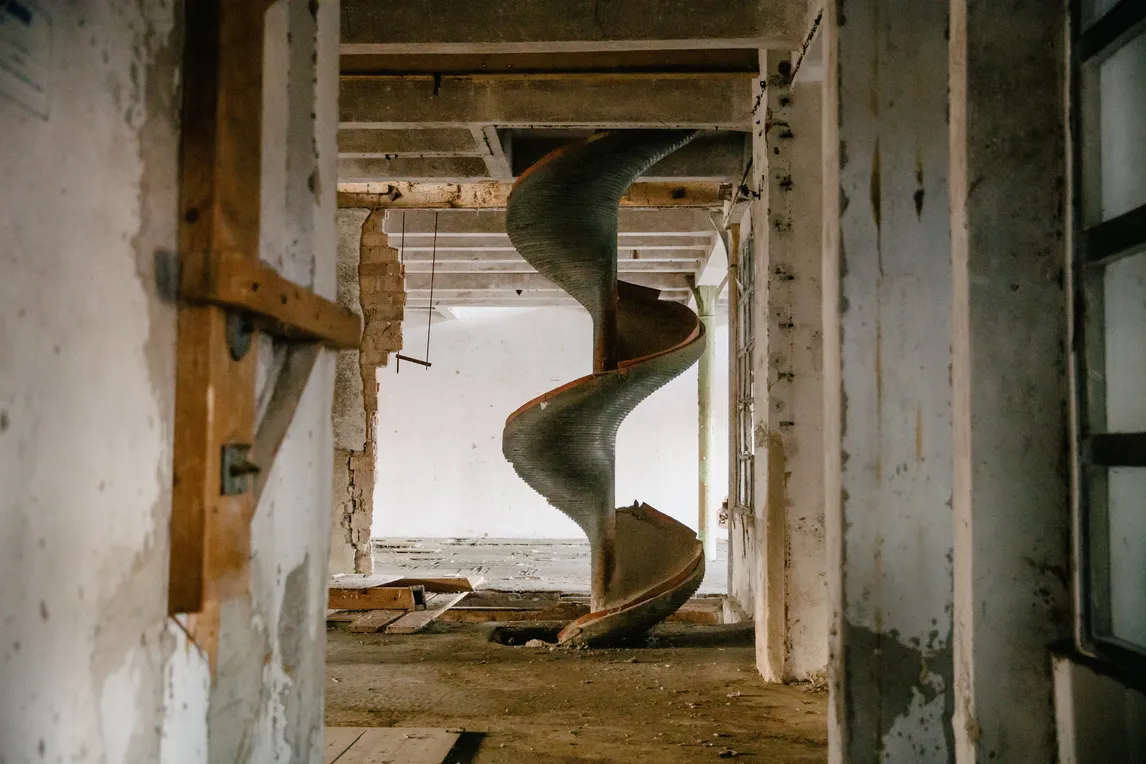
Within the Slovak context, we focused on Košice-Šaca district, the former mill complex in Veľký Šariš, and the Istrochem site together with the nearby Žabí Majer garden colony in Bratislava.
Project outcomes:
- A shared framework and practical tools for working with brownfields in the V4 region
- An online platform responding to the absence of a common database
- Case studies focused on adaptive reuse and social, economic, and institutional innovation
- Strengthened cooperation and exchange of experience between cities and professionals
The project was co-financed by the governments of the Czech Republic, Hungary, Poland, and Slovakia through Visegrad Grants from the International Visegrad Fund.
Our project partners were PAD, University of Rzeszów and University of Ostrava.